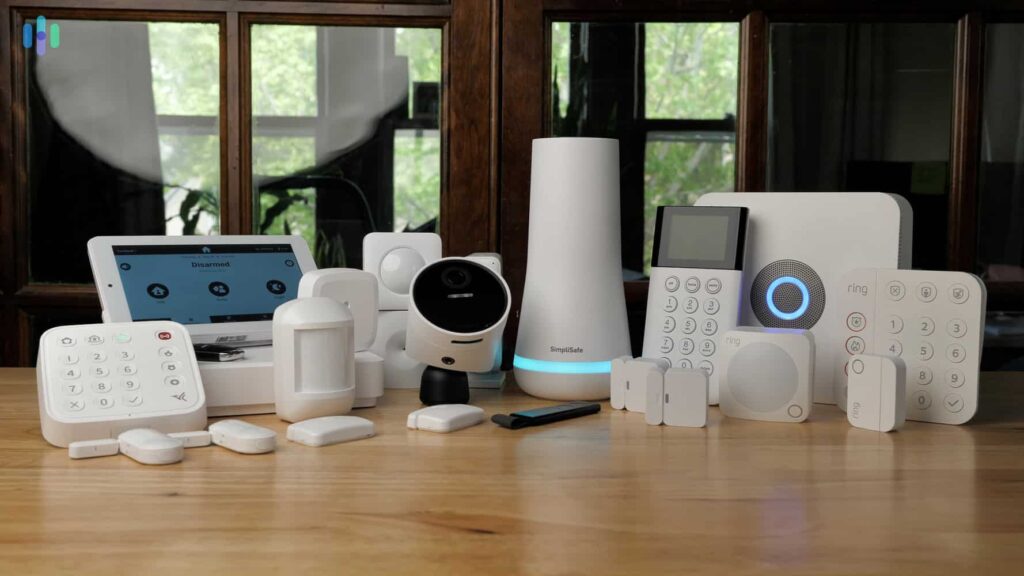

In a world where digital devices communicate with each other, household security systems are experiencing a transformation that goes far beyond simple alarms. From connected cameras to smart locks, families and businesses are increasingly relying on integrated systems that merge hardware, software, and cloud monitoring. As these technologies advance, reliability becomes just as crucial as innovation. After all, no system is useful if it fails at the moment it is most needed.
The Shift to Connected Security
Decades ago, home security technology was simplistic—primarily designed to sound a loud siren if a door opened at the wrong time. Today, security tools are interconnected with smartphones, hubs, and sometimes even municipal police or private guarding services. This shift provides better information and quicker response times, but it also introduces new vulnerabilities. Software updates, weak wireless signals, and outdated components can all undermine the performance of modern systems if not monitored.
Why Reliability Becomes a Strategic Priority
The biggest misconception about security gear is that once it’s installed, it simply works indefinitely. Hardware degrades, batteries lose capacity, sensors misalign, and software becomes outdated. Criminal behaviors evolve as well; burglars and vandals are more sophisticated than in previous decades, often probing digital weak points instead of physical ones. For small businesses especially, a system failure can translate into significant financial losses—not only due to theft but also downtime and insurance complications.
Maintaining reliability isn’t solely a technical concern—it’s also psychological. Homeowners expect peace of mind. Businesses expect risk reduction. When security tools behave inconsistently, confidence is eroded. This psychological factor is one of the most underestimated dimensions of modern security planning.
Appropriate Use of Ongoing Care
One important aspect of system reliability relates to ongoing servicing. Regular checks ensure sensors remain responsive, batteries function as expected, and wireless components communicate efficiently. This is where a single mention of the keyword fits naturally without forcing it: businesses specializing in burglar alarm maintenance help prevent subtle degradation that homeowners may overlook—ensuring systems don’t silently fail at critical moments.
Routine assessments identify early signs of failure and provide opportunities to update firmware, replace aging components, or adjust coverage zones. Much like servicing a vehicle, consistent attention preserves both functionality and value.
The Role of Innovation
New technologies are emerging rapidly. Artificial intelligence allows cameras to distinguish between residents, pets, and intruders. Motion sensors are becoming more energy efficient and can detect smaller variances in movement. Even traditional sirens are being redesigned to integrate with IoT networks. As innovation increases, so does the dependency on interoperability between devices. A single outdated sensor can bottleneck an entire system.
With AI-powered monitoring, false alarms can be reduced significantly—a key concern for both households and police response systems. However, AI also requires constant data ingestion and software optimization. Without updates or diagnostic checks, accuracy falls and false positives resurface.
Insurance and Risk Reduction
Insurance companies are increasingly acknowledging the value of well-maintained security installations. While many already provide discounted premiums for businesses with security systems, insurers are reviewing not only installation but also continuity and maintenance. In the near future, it’s expected that proof of routine service or system health checks may become part of compliance documentation—especially for commercial property coverage.
Good risk management isn’t merely about preventing theft; it’s about minimizing disruption and liability. This shift benefits businesses that already treat security as an operational investment rather than a passive purchase.
Public Perception and Policy Trends
Public conversations around security and surveillance are growing. Municipalities across the UK and EU are experimenting with city-wide sensor networks and smart street cameras. Discussions surrounding privacy protections and data retention are also accelerating. Businesses operating in urban environments will need to pay attention to both regulatory expectations and public sentiment, balancing protection with transparency.
Recent reporting shows how increased use of smart monitoring is shaping both policy and commercial adoption. Two relevant news pieces highlight that this trend is accelerating and becoming part of mainstream infrastructure rather than niche technology.