
In today’s competitive business environment, companies are increasingly recognising that their greatest asset is their people. When employees are healthy, engaged, and supported, the organisation as a whole thrives. For business leaders looking to elevate performance, reduce turnover, and build a resilient workforce, investing in wellbeing is no longer optional—it’s strategic.
Why wellbeing matters
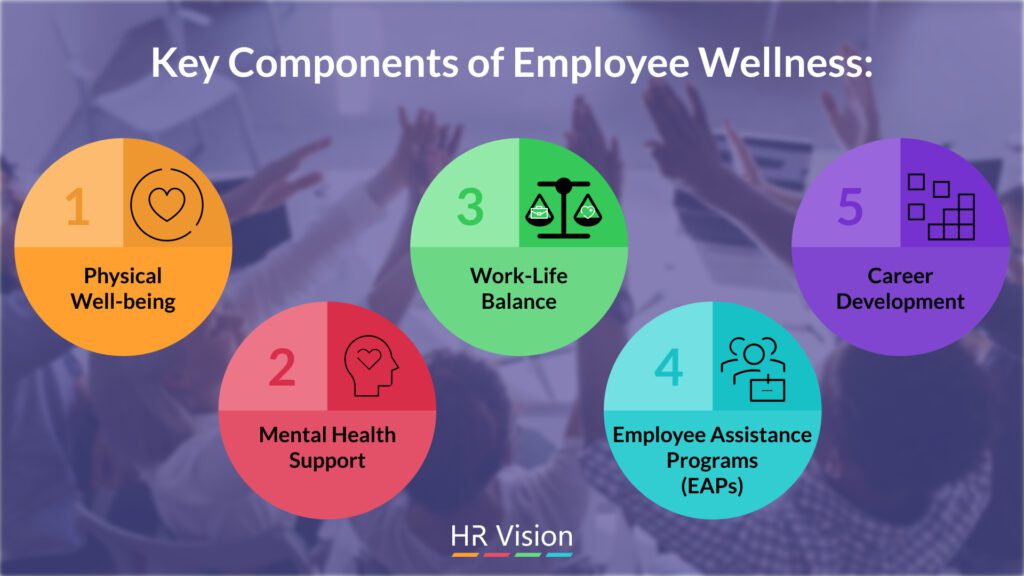
Employee wellbeing isn’t just about physical health—it encompasses mental, emotional and social factors that influence how individuals show up at work. Organisations that prioritise a culture of wellness often see improved morale, higher productivity and lower levels of absenteeism. According to recent industry insights, when staff feel cared for, they tend to stay longer and contribute more fully.
Creating a positive health culture
To embed a wellness culture, start by surveying your workforce: ask about stress levels, workplace satisfaction and obstacles to their engagement. From there, you can develop initiatives such as flexible working hours, regular health check-ins, mental health support and peer connection programmes. Encouraging open dialogue around health and wellbeing reduces stigma and fosters a sense of community.
The role of benefits in retention
Beyond culture, the right benefits can differentiate your business in the eyes of both existing and prospective employees. A compelling benefits package signals that you value your workforce beyond just the job they do. One key component in this area is offering a robust business health insurance plan, which provides peace of mind for team members and can enhance loyalty. When employees know that their employer supports their access to care, it reinforces trust and often leads to reduced turnover.
Measuring the impact
It’s important to evaluate your wellbeing initiatives through metrics. Track absenteeism, turnover rates, employee engagement survey results and productivity measures. Over time you’ll see correlations: companies that invest in wellbeing often report fewer sick days, lower recruitment costs and stronger business outcomes. Communicating the results back to the workforce builds momentum and reinforces the value of the programmes.
Practical steps for implementation
- Leadership buy-in: Wellness initiatives succeed when leadership models the behaviours and visibly supports them.
- Segment your workforce: Different groups may have different needs—tailor programmes accordingly.
- Integrate into the workflow: Wellness programmes should be seamless, not an extra burden. For example, brief mindfulness sessions or walking meetings can become part of the day.
- Invest in education: Equip employees and managers with the knowledge to recognise stress, burnout and other risk indicators early.
- Create feedback loops: Regularly ask employees what’s working and what’s not. Adjust the strategy as needed.
Long-term advantages
When done right, investing in wellbeing becomes self-reinforcing. As staff feel supported and access resources to stay healthy, businesses experience better retention, stronger employer brand, improved culture and ultimately a competitive advantage in the marketplace. In today’s environment where talent is often in short supply, adopting a wellbeing-first approach can make all the difference.
In summary, prioritising employee wellness isn’t just a perk—it’s a strategic lever for business performance. By fostering a culture that supports physical, mental and social health, building benefits that matter, and measuring the outcomes, companies position themselves to thrive. For organisations ready to invest in their people, the returns go far beyond the bottom line.